
The SaaS marketing landscape is undergoing a profound transformation. As competition intensifies and user expectations rise, personalization is no longer a luxury—it’s a necessity. In 2025, the most impactful trend reshaping SaaS marketing is the rise of AI-powered hyper-personalization. This approach, driven by advances in artificial intelligence and real-time data analytics, is enabling companies to create deeply individualized user experiences that drive conversions, improve retention, and differentiate brands in crowded markets.
In this article, we explore the mechanics, benefits, and real-world applications of AI-powered hyper-personalization. We also outline actionable strategies that SaaS marketers can implement today to stay ahead of the curve.
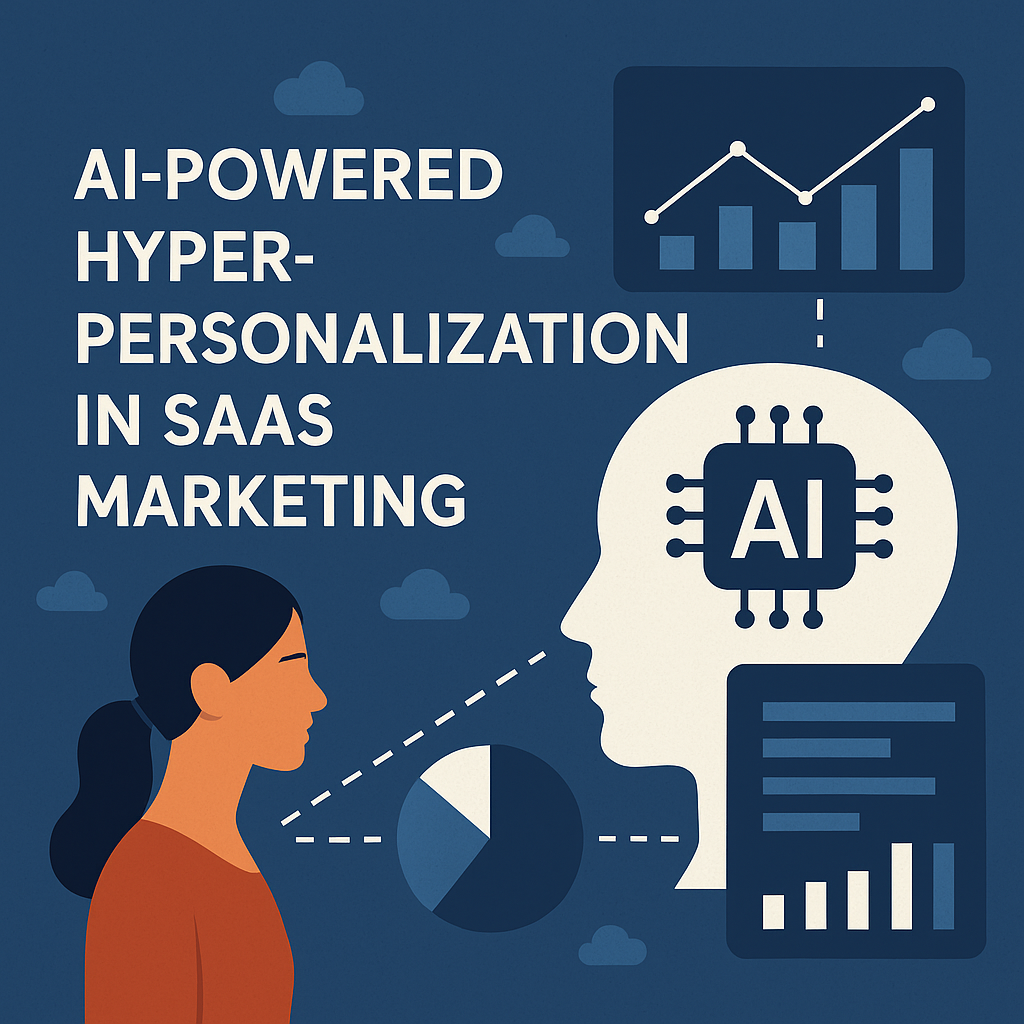
TLDR Summary: AI-powered hyper-personalization is revolutionizing SaaS marketing in 2025, enabling real-time, data-driven user experiences that drive engagement, retention, and revenue. SaaS companies must invest in AI tools, audit their data practices, and create dynamic, ethical personalization strategies to remain competitive in a saturated market.
What is Hyper-Personalization and Why Now?
Traditional personalization strategies in SaaS marketing have often relied on static data points—like industry, company size, or job title. Hyper-personalization, by contrast, leverages real-time behavioral data, user intent signals, and predictive analytics to dynamically tailor content, messaging, and user experiences at scale.
The timing is right for hyper-personalization due to several converging factors:
- Data Abundance: SaaS companies now have access to vast amounts of first-party and behavioral data from product usage, CRM platforms, and customer feedback tools.
- Advances in AI: Natural language processing (NLP), machine learning, and generative AI have matured to a point where they can effectively process and act on massive datasets.
- Rising User Expectations: B2B buyers increasingly expect consumer-grade experiences—tailored, fast, and seamless.
The Mechanics of AI-Powered Personalization
AI-driven personalization tools work by ingesting real-time user data and continuously refining user profiles. The most effective systems use the following core technologies:
- Machine Learning Algorithms: These models analyze user behavior to identify patterns and predict future actions. For instance, if a user frequently views content on a specific product feature, the system might prioritize related use cases in future emails or recommend relevant webinars.
- Natural Language Processing (NLP): Allows marketers to analyze open-text feedback, customer support tickets, and social media mentions to extract insights into customer sentiment and intent.
- Dynamic Content Engines: AI tools can generate or select content variations in real time, ensuring that each user sees the most relevant version based on their unique profile.
- Orchestration Platforms: These platforms coordinate personalized touchpoints across channels (email, in-app messaging, ads, etc.), ensuring consistent and context-aware communication.
Real-World Applications in SaaS
Hyper-personalization isn’t just a concept—it’s already delivering tangible results for SaaS companies. Here are several impactful applications:
- Onboarding Optimization: AI systems adapt onboarding flows based on a user’s role, industry, and product interactions, reducing time-to-value.
- Dynamic Pricing Models: Some SaaS platforms use behavioral data and intent signals to present custom pricing tiers to high-value leads.
- Email Campaign Personalization: AI generates email subject lines and body content tailored to the user’s recent actions and expressed interests.
- In-App Guidance: Real-time behavioral analysis powers contextual tooltips, content suggestions, or feature highlights that anticipate user needs.
The Business Impact
Companies that embrace AI-powered hyper-personalization report:
- Higher Conversion Rates: Tailored messaging resonates better, increasing the likelihood of lead-to-customer conversion.
- Improved Retention and Loyalty: Relevant experiences keep users engaged and satisfied, reducing churn.
- Increased Revenue Per User: Personalized upsells and cross-sells based on usage patterns drive more value from each customer.
- Operational Efficiency: Automation reduces the manual load on marketing teams while improving campaign performance.
A recent study by Segment found that 71% of consumers feel frustrated when their experience is impersonal, while Salesforce reports that 66% of customers expect companies to understand their unique needs.
Challenges and Considerations
Despite its benefits, hyper-personalization comes with challenges:
- Data Privacy and Compliance: Handling personal and behavioral data requires strict adherence to regulations like GDPR and CCPA.
- Integration Complexity: Orchestrating personalization across disparate systems demands a well-integrated martech stack.
- Content Scalability: Generating enough personalized content variations can strain marketing resources.
- Over-Personalization Risk: Being too specific can feel invasive to users. Balance and transparency are critical.
SaaS marketers must navigate these challenges thoughtfully, aligning technology investments with ethical data practices and clear customer value.
Actionable Strategies for SaaS Marketers
- Audit Your Data Ecosystem: Evaluate what first-party data you collect and how it flows across platforms. Prioritize data cleanliness and accessibility.
- Invest in AI-Ready Infrastructure: Choose CRM, email, and analytics tools that support real-time data processing and integration with AI modules.
- Start with High-Impact Use Cases: Identify quick wins like personalized onboarding sequences or smart email segmentation to demonstrate value early.
- Collaborate Cross-Functionally: Work closely with product, sales, and customer success teams to create a unified customer view and consistent messaging.
- Test and Optimize Continuously: Use A/B testing frameworks to evaluate personalization tactics and refine them based on performance metrics.
- Be Transparent with Users: Clearly communicate how data is used to enhance their experience. Offer opt-out options and respect user preferences.
Looking Ahead
The future of SaaS marketing is undoubtedly shaped by AI. As hyper-personalization continues to evolve, we can expect even more granular targeting, voice and conversational AI integration, and predictive lead scoring to become standard. Forward-thinking SaaS companies that embrace this trend not only gain a competitive edge but also build stronger, more enduring customer relationships.
Marketers who adapt now will be best positioned to thrive in this era of intelligent engagement.
Ready to elevate your SaaS marketing with AI-powered personalization?
Partner with Insite Advice to craft data-driven strategies that convert and retain your ideal customers. Our team specializes in helping SaaS brands thrive in a competitive, fast-evolving market.